PT Karbon Aktif Indonesia — Coconut Shell Activated Carbon
Premium Steam-Activated Coconut Shell Activated Carbon — Manufactured in Central Java, Exported Worldwide.
Serving gold recovery, water treatment, and air purification industries since 2019.
About Us
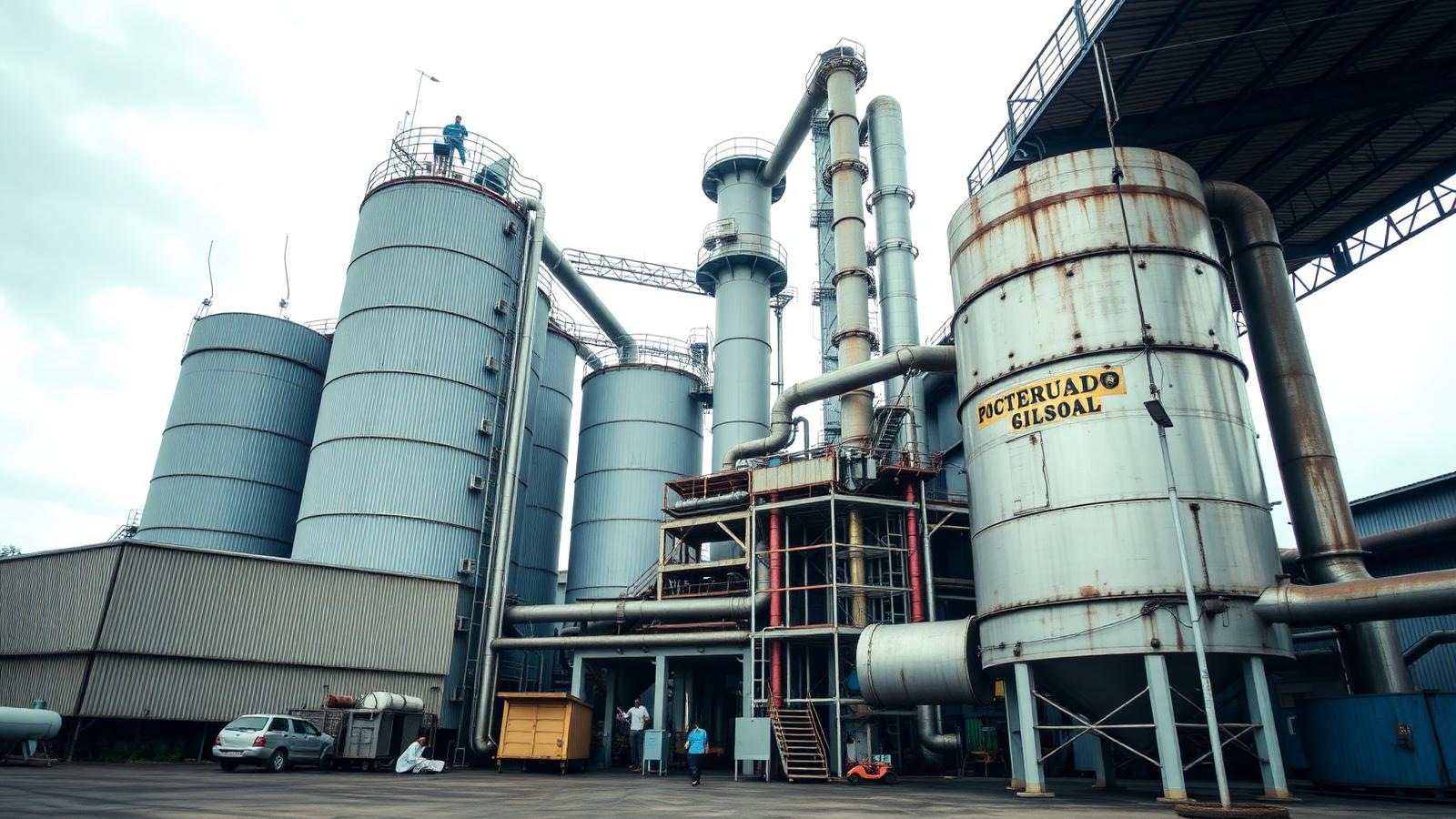
PT Karbon Aktif Indonesia is a dedicated manufacturer and exporter of high-quality coconut shell activated carbon, based in Magelang, Central Java. Established in 2019, we operate a modern steam-activation facility producing granular activated carbon for industrial buyers across Asia, Europe, Africa, and the Americas.
Our raw material — premium carbonized coconut shell — is sourced from Indonesia's richest coconut-growing regions, including East Nusa Tenggara (NTT), Sulawesi, Sumatra, and Java. As the world's largest exporter of coconut-shell charcoal, Indonesia gives us a secure, high-quality feedstock base that yields activated carbon with naturally high hardness, high microporosity, and low ash content — ideal for gold recovery, drinking water purification, and air and gas treatment.
With an annual production capacity of 6,000 metric tons and a fully equipped quality control laboratory, we are committed to consistent quality, reliable export logistics, and long-term partnerships with our customers worldwide.
Why Choose Us
100% Coconut Shell
No coal or wood blending — pure coconut-shell feedstock only.
In-House QC Laboratory
Certificate of Analysis (COA) accompanies every shipment.
6,000 MT/Year Capacity
Reliable, consistent supply for long-term contracts.
Steam Activation
High purity, food-grade capable activation process.
Experienced Export Team
Complete documentation and smooth logistics.
Direct From Manufacturer
Competitive factory pricing with no middlemen.
Flexible Production
Custom specifications and private-label / OEM.
Certified & Improving
ISO 9001/14001/45001, Halal, SNI; NSF/ANSI 61 and REACH registration in progress.
Countries We Serve
Exporting to Japan, China, Australia, Germany, USA, South Korea, India, South Africa, and more.
The Activated Carbon Market at a Glance
We operate with a clear view of global demand. Below is an overview of the activated carbon market that shapes our products and partnerships.
Reviewed by Dimas Pratama, Product Specialist.
Last updated: June 2026
| Indicator | Figure | Source |
|---|---|---|
| Global activated carbon market (2025–2026) | ~USD 4–8 billion (varies by scope) | Mordor Intelligence; Grand View Research; Precedence Research |
| Projected annual growth | ~5.6%–9.3% CAGR through early 2030s | Industry research consensus |
| Coconut shell feedstock | Fastest-growing raw material, ~6.8% CAGR; ~⅓ of the market by raw material | Mordor Intelligence; Transparency Market Research |
| Largest application | Water treatment, ~42–51% of global demand | Industry research |
| Gold-recovery carbon demand | ~63,000 metric tons/year of coconut-shell GAC | Industry estimate (Haycarb regional data) |
| Largest single importer (coconut AC) | United States — ~48,500 MT / ~US$104 million (2024); +11% YoY in early 2025 | International Coconut Community |
Demand for coconut-shell activated carbon is being driven by tightening drinking-water regulation worldwide — including PFAS removal in the United States and Europe — and by sustained gold-mining activity, where Africa alone is the world's largest gold-producing region. At the same time, anti-dumping duties on Chinese activated carbon in the United States are shifting buyers toward suppliers in Indonesia, India, and Sri Lanka — creating a clear opportunity for Indonesian manufacturers.
Market statistics above are third-party industry estimates provided as context only, not the company's proprietary research. Figures are shown as ranges where sources differ and are refreshed periodically.
Why Coconut Shell? The Science of a Superior Carbon
Not all activated carbon is the same. The raw material determines the pore structure — and the pore structure determines performance.
Technical content reviewed by Sri Wahyuni, Head of Laboratory.
Last updated: June 2026
Coconut shell produces an activated carbon dominated by micropores — roughly 85–90% of its pore volume. Micropores are ideal for adsorbing the small molecules found in drinking water, gold-bearing solutions, and air streams, giving coconut carbon exceptional adsorption capacity and efficiency.
Its naturally high hardness (~98) means it resists attrition far better than coal-based carbon, extending service life in high-flow columns and surviving repeated handling and reactivation. With ash content below 3% and high purity, it is suitable for food-grade and gold-recovery use — and, as an agricultural by-product, it is fully renewable.
| Property | Coconut Shell | Coal-Based | Wood-Based |
|---|---|---|---|
| Pore structure | Predominantly micropore (85–90%) | Mixed micro / meso | Meso / macropore |
| Hardness | ~98 (very high) | 85–90 | Low (soft) |
| Ash content | < 3% | 8–15% | Varies |
| Iodine number (mg/g) | 1,000–1,200 | 600–1,000 | 500–900 |
| Renewable | Yes (agricultural by-product) | No (fossil) | Yes |
| Best suited for | Gold recovery, drinking water, air/gas, food-grade | Bulk industrial, wastewater | Decolorization, liquid-phase |
Company Profile
Inside Our Activated Carbon Facility — Factory Tour (placeholder video)
Legal & Company Data
| Company Name | PT Karbon Aktif Indonesia |
|---|---|
| Business Type | Manufacturer & Exporter of Coconut Shell Activated Carbon |
| Year Established | 2019 |
| Owner / President Director | Bambang Wijaya |
| Factory & Head Office Address | Jl. Raya Magelang–Yogyakarta KM 8, Mertoyudan, Magelang Regency, Central Java 56172, Indonesia |
| Deed of Establishment (Akta Pendirian) | No. 45, dated 12 March 2019, Notary Hendra Kusuma, S.H., M.Kn. |
| Ministry of Law Approval (SK Kemenkumham) | AHU-0012345.AH.01.01.Tahun 2019 |
| Business ID Number (NIB) | 1234567890123 |
| Tax ID (NPWP) | 01.234.567.8-901.000 |
| Export License (API-U) | 092000123456 |
| HS Code | 3802.10.00 |
| Production Capacity | 6,000 metric tons per year (500 MT/month) |
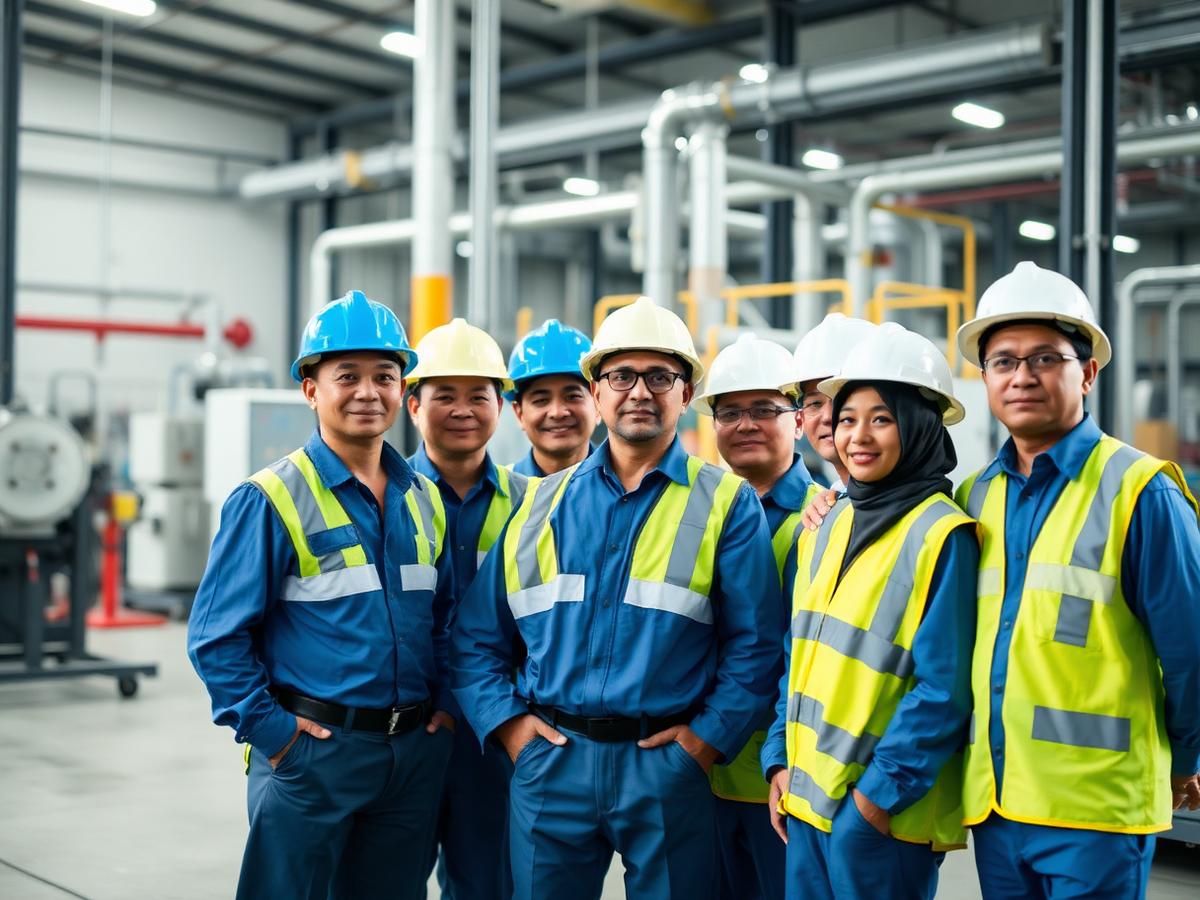
| Number of Employees | 120 |
| Certifications | ISO 9001:2015, ISO 14001:2015, ISO 45001:2018, Halal (BPJPH), SNI 06-3730 |
| Certifications In Progress | NSF/ANSI 61 (US), REACH (EU) |
| Banking Details | Bank Mandiri, KCP Magelang — full account details provided with proforma invoice upon order confirmation |
| export@nsactivatedcarbon.com | |
| Phone / WhatsApp | +62 821 392 4038 |
| Website | www.nsactivatedcarbon.com |
Bank account numbers are intentionally not shown publicly (fraud-prevention best practice).
From Coconut Shell to Activated Carbon
Coconut Shell Sourcing
NTT, Sulawesi, Sumatra, Java.
Carbonization
Shells converted to charcoal.
Steam Activation
High-temperature steam (~900–1000°C) develops the micropore structure.
Screening & Sizing
Graded to precise mesh sizes.
Quality Control
Lab testing: iodine, CTC, hardness, ash, moisture.
Packing & Export
25 kg bags / jumbo bags, containerized.
Inside Our Factory
Placeholder factory images — replace with real facility photos before launch.
Our Products — Specifications by Application
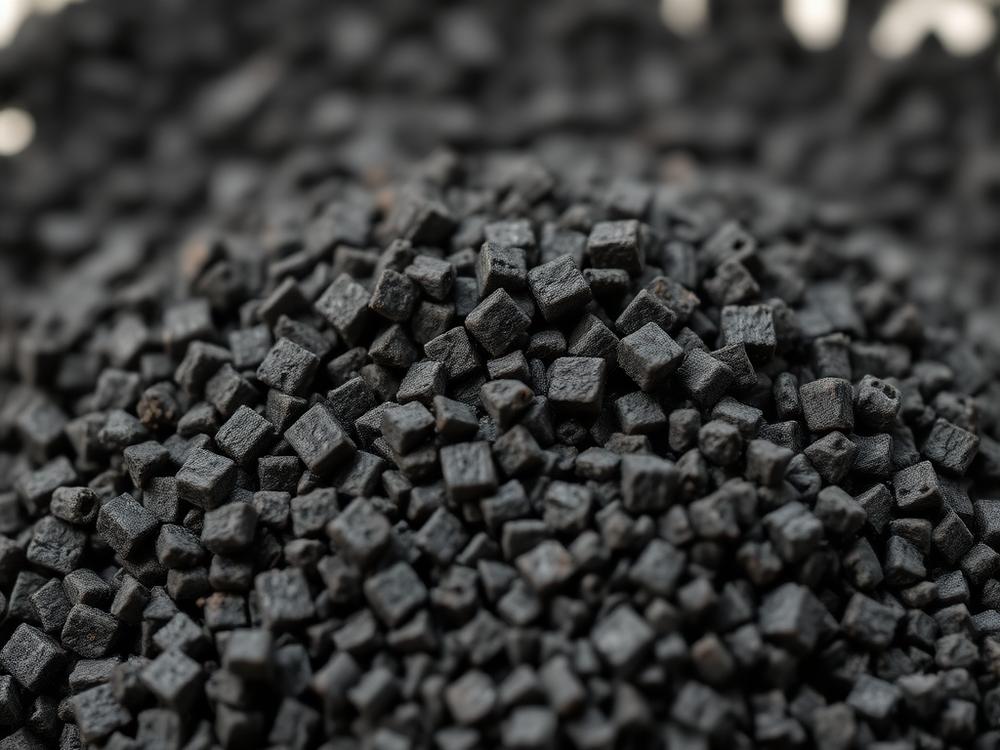
All grades are steam-activated coconut shell granular activated carbon (GAC), produced to consistent export specifications with a Certificate of Analysis (COA) for every shipment.
| Grade / Application | Iodine No. (mg/g) | CTC / Other | Mesh Size | Hardness | Ash | Moisture | Apparent Density | Main Use |
|---|---|---|---|---|---|---|---|---|
| Gold Recovery GAC (CIP / CIL / CIC) | 1,000–1,100 | Gold load K ≥24 mg/g; Platelets ≤0.2% | 6×12, 8×16 | ≥98% | ≤3% | ≤5% | 0.48–0.52 g/cc | Gold mining adsorption / extraction |
| Drinking Water GAC | ≥1,000 | Methylene Blue ≥180 mg/g | 8×30, 12×40 | ≥95% | ≤5% | ≤5% | 0.45–0.52 g/cc | Municipal & home water purification |
| Vapor-Phase / Air Purification GAC | ≥1,000 | CTC ≥55%; Surface area ≥1,050 m²/g | 4×8, 4×10 | ≥95% | ≤5% | ≤5% | 0.46–0.50 g/cc | Air filtration, VOC & solvent recovery |
| Point-of-Use Filter GAC | ≥1,000 | Food-grade purity, low dust | 12×40, 20×50 | ≥97% | ≤4% | ≤5% | 0.46–0.50 g/cc | Household filters, cartridges, carbon block |
| General Purpose / Industrial GAC | 900–1,000 | — | 8×30, 4×8 | ≥95% | ≤6% | ≤8% | 0.44–0.50 g/cc | Wastewater, decolorization, general industrial |
Gold Recovery GAC (CIP / CIL / CIC)
Best for: gold mining (CIP/CIL/CIC) adsorption circuits.
Request SampleVapor-Phase / Air Purification GAC
Best for: air filtration, VOC capture and solvent recovery.
Request SampleGeneral Purpose / Industrial GAC
Best for: wastewater, decolorization and general industrial use.
Request Sample- * Custom iodine number, mesh size, and packaging available on request. MOQ: one 20ft container (~18 MT).
- * NSF/ANSI 61 (US drinking water) and REACH (EU) certification in progress; SGS / Intertek batch testing available now.
Understanding the Specifications
Technical content reviewed by Sri Wahyuni, Head of Laboratory.
Last updated: June 2026
- Iodine Number (mg/g)
- Measures micropore surface area and overall adsorption capacity; the key general indicator of activity. Higher = more capacity for small molecules.
- CTC (Carbon Tetrachloride) Activity (%)
- Measures vapor-phase adsorption capacity; the governing spec for air and gas applications.
- Hardness / Abrasion Number (%)
- Resistance to mechanical wear; critical in gold recovery (≥98%) and any moving-bed, fluidized, or backwashed system. Low hardness means carbon losses and fines.
- Ash Content (%)
- Inorganic residue; lower ash = higher purity, important for food-grade and gold-recovery use.
- Apparent Density (g/cc)
- Mass per unit volume; affects bed volume, pressure drop, and shipping.
- Mesh / Particle Size
- Controls flow rate and pressure drop; matched to the application (e.g., 6×12 for gold, 8×30 for water, 4×8 for air).
- Methylene Blue Value (mg/g)
- Indicates mesopore adsorption / decolorizing ability for larger molecules.
- Moisture (%)
- Affects shipped weight and handling.
Industries We Serve
Each application demands a specific carbon. Here is how ours performs across the industries that rely on it.
1. Gold Mining (CIP / CIL / CIC)
Recommended: Gold Recovery GAC
In gold extraction, activated carbon adsorbs dissolved gold from cyanide leach solutions in Carbon-in-Pulp (CIP), Carbon-in-Leach (CIL), and Carbon-in-Column (CIC) circuits. Because the carbon is constantly agitated and recycled, hardness of ≥98% and high gold-loading capacity (K-value) are essential to minimize losses. Demand is concentrated in the world's gold-producing regions — Africa is the largest, contributing roughly 1,004 metric tons of gold in 2023 (about 27.8% of global production), with Ghana's output up ~19.3% in 2024 — and it is also the largest consuming region for coconut-shell activated carbon.
2. Drinking Water & Municipal Treatment
Recommended: Drinking Water GAC
Water treatment is the single largest application for activated carbon (~42–51% of global demand). Coconut GAC removes chlorine, taste, odor, and organic micropollutants — and granular activated carbon is a recognized treatment for PFAS (“forever chemicals”), a major driver of multi-year demand under new US and EU regulations. (NSF/ANSI 61 certification in progress for municipal supply.)
3. Air & Gas Purification / VOC Control
Recommended: Vapor-Phase GAC
Gas-phase applications represent a majority of activated carbon revenue. Here, CTC activity — not iodine number — is the governing spec. Coconut GAC and pellets are used for VOC abatement, solvent recovery, odor control, and biogas H₂S removal.
4. Food & Beverage
Recommended: Point-of-Use / General Purpose GAC
Low-ash, high-purity coconut carbon is used for decolorization and purification of edible oils, sweeteners, and beverages, where food-grade purity (FCC) matters.
5. Point-of-Use Water Filters
Recommended: Point-of-Use Filter GAC
Household pitcher, faucet, under-sink, and refrigerator filters favor coconut carbon for its high microporosity and very low dust, feeding carbon-block and cartridge manufacturers worldwide.
Our Team
A dedicated team of engineers, chemists, and export specialists behind every shipment.
Certifications & Legal Documents
All documents shown are dummy placeholders for demonstration only.
Certifications In Progress
NSF/ANSI 61 (US drinking water) and REACH registration (EU) — in progress, expected 2026. Independent SGS / Intertek batch testing available now.
Quality Control & Guarantee
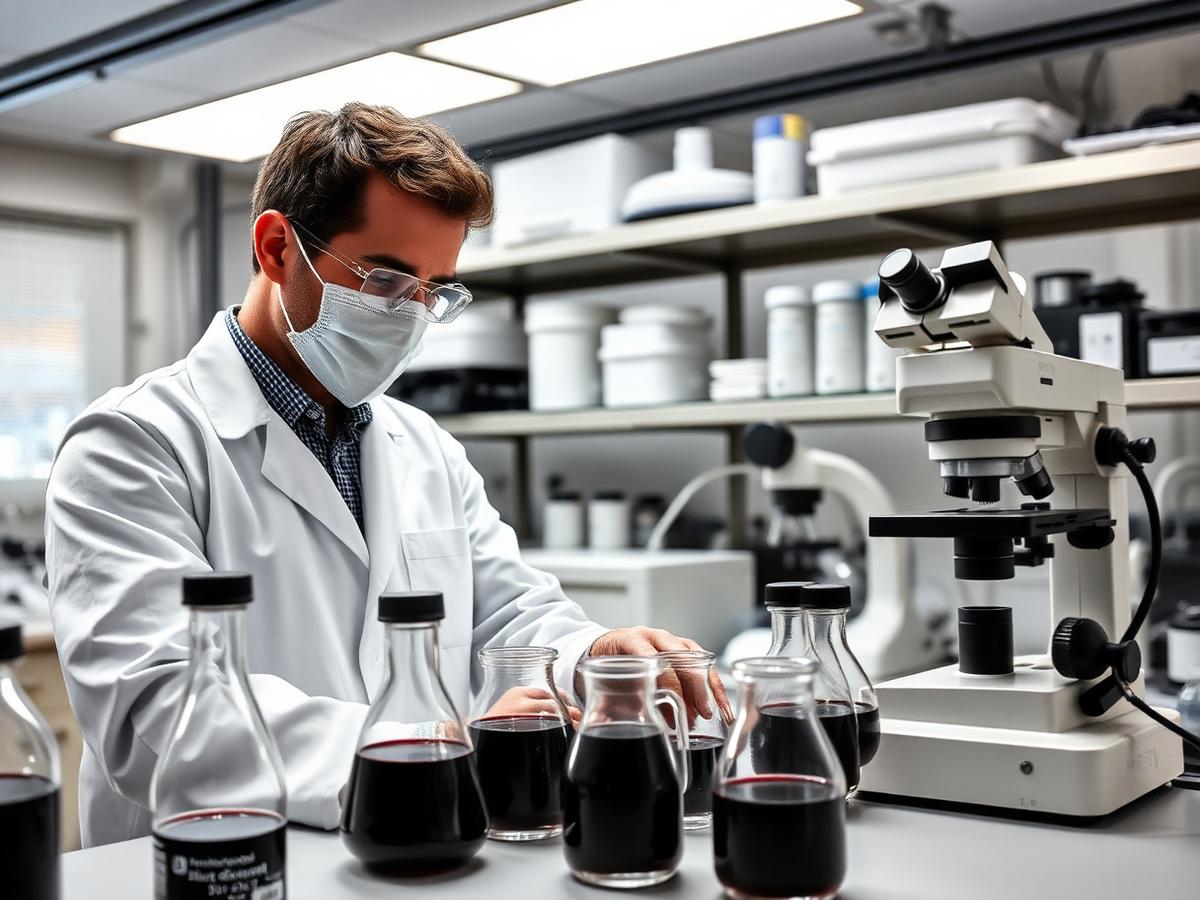
Quality is controlled at every stage. Our in-house laboratory tests each production batch for iodine number, CTC adsorption, hardness, ash content, moisture, apparent density, and mesh distribution before approval.
Every shipment is accompanied by a Certificate of Analysis (COA). On request, we provide independent third-party verification through SGS or Intertek. Pre-shipment samples are sent for customer approval before bulk production, ensuring the delivered product matches your exact specification.
Our Guarantee
- 100% coconut shell (no blending)
- COA with every shipment
- Pre-shipment sample approval
- SGS / Intertek testing on request
- Replacement or refund for any verified off-spec product
- ISO 9001:2015 Quality Management System
Export, Shipping & Payment
Packaging & Shipping
- 25 kg PP woven bags with PE liner
- 500 kg FIBC jumbo bags
- Palletized on request
- 20ft FCL (~18–20 MT)
- Ports: Tanjung Emas (Semarang) / Tanjung Priok (Jakarta)
- Lead time: 3–4 weeks after order confirmation
- MOQ: one 20ft container
Export Documents
- Commercial Invoice & Packing List
- Bill of Lading
- Certificate of Origin (Form A / Form E / COO)
- Certificate of Analysis (COA)
- Material Safety Data Sheet (MSDS)
- Fumigation Certificate
- Phytosanitary Certificate (on request)
Payment Terms
- T/T (30% advance, 70% against B/L copy)
- Irrevocable L/C at sight
- Incoterms: FOB / CFR / CIF
- Currency: USD
- Samples free (buyer covers courier)
Frequently Asked Questions
What Our Customers Say
Placeholder testimonials shown for demonstration only.
“Consistent quality and reliable shipments — the COA always matches the delivered product.”
“Their gold-recovery carbon performs well in our CIL circuit, and the export paperwork is always in order.”
“A dependable manufacturing partner for our filter cartridges, with flexible private-label support.”
Request a Free Sample
Test our quality before you order. We'll send a 1–5 kg sample for evaluation (buyer covers courier cost).
Contact Us
PT Karbon Aktif Indonesia
- Jl. Raya Magelang–Yogyakarta KM 8, Mertoyudan, Magelang Regency, Central Java 56172, Indonesia
- export@nsactivatedcarbon.com
- +62 821 392 4038
- Mon–Fri, 08:00–17:00 WIB